

Lifid
Most Georgian wine is fake, says FAO

Around nine in every ten Georgian wines sold abroad are counterfeit, says a United Nations body, supplying fresh evidence to support Russias recent ban on Georgian wine imports.
Fraud continues to plague Georgia’s wine industry despite the country’s lengthy winemaking tradition, warns a new report from the United Nations’ Food and Agriculture Organisation (FAO).
The news will cause dismay in Georgia, which recently had its wine banned from its biggest export market, Russia, on safety grounds. Around 80 per cent of Georgian wine exports go to Russia.
Georgian authorities have spent the last three months attempting to get the ban overturned, even sending wines off for testing by the International Organisation of Vine and Wine to prove their quality.
It is precisely a lack of quality appellation wine in Georgia that has, however, led to fertile ground for fakers, according to the FAO.
It said fake Georgian wines ranged from alcoholic cocktails mixing spirits, colourings and flavours to wines bearing false appellations of origin.
Emmanuel Hidier, of the FAO Investment Centre, said the Georgian government had made some progress in crushing the fake wine market at home, but the situation had barely improved for wines sent abroad.
The FAO has been closely involved with Georgian wine since 2000, when the government asked it to help draft the country’s first wine law. That law paved the way for Gerogia’s first appellation of origin system, similar to those seen in other wine countries such as France, Italy and Spain.
The system requires winemakers to say where they got their grapes and how they made their wine.
Yet, counterfeiters have learnt to exploit a loophole in the rules, with no official documents required to transport wine in bulk or in bottles within Georgia.
The FAO said it was now helping the Georgian government to set up a new public-private watchdog to improve implementation of the country’s wine law.
Mamuka Meskhi, assistant FAO representative in Georgia, said it was in everyone’s interest to work together to beat fraud. Unlike brands owned by individuals or companies, appellations are the common property of the people of a region.
Source: foodproductiondaily.com




Framúrskarandi fagfólk dæmir bestu eftirrétti og konfektmola ársins

Fjögurra áratuga samstarfi KFC og Pepsi lýkur

Fjórir ungir fagmenn tryggðu sér sæti í Norrænu nemakeppninni

Frá skólabekknum á Michelin-stjörnu veitingastaði

Secret Garden vörulínan stækkar hjá Drykkur heildsölu

Jólagjöfin sem fær fólk út að njóta

Garri opnar nýja vefverslun 27. október

Pétur Kolka vinnur sinn flokk í Lotus Prestige Cup í Macau
Fjórir ungir fagmenn tryggðu sér sæti í Norrænu nemakeppninni

De Kuyper valinn líkjörframleiðandi ársins áttunda árið í röð

Gestir stjórna gröfum á meðan þeir borða og drekka

Myndband: Stærsta hlaðborð Bandaríkjanna er í litlum sveitabæ í Pennsylvaníu

Litlu hlutirnir skipta mestu máli hjá Agga Sverris

Endurbyggðu veitingastaðinn frá grunni eftir brunann

Trump í vínstríði við dyggan stuðningsmann
-

 Markaðurinn5 dagar síðan
FoodCycler FC-75 – Snjöll úrgangslausn fyrir fyrirtæki og vinnustaði
-

 Viðtöl, örfréttir & frumraun6 dagar síðan
Laugarás Lagoon fagnar eins árs afmæli með þriggja daga hátíð
-
 Markaðurinn5 dagar síðan
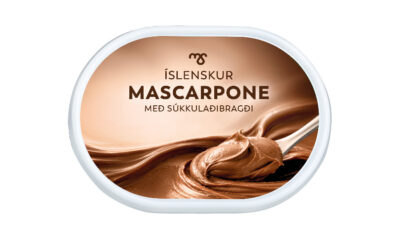
Íslenskur mascarpone fær súkkulaðibragð
-

 Markaðurinn6 dagar síðan
Námskeið: Hvernig tryggjum við góða þjónustu í jólaösinni?
-
 Viðtöl, örfréttir & frumraun6 dagar síðan
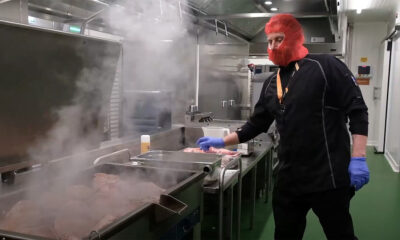
Vélmenni sjá um matarbakka í nýju hátæknieldhúsi Icelandair
-
 Keppni4 dagar síðan
Framúrskarandi fagfólk dæmir bestu eftirrétti og konfektmola ársins
-
 Frétt2 dagar síðan
Fjögurra áratuga samstarfi KFC og Pepsi lýkur
-
 Keppni1 dagur síðan
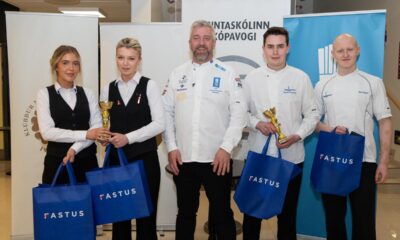
Fjórir ungir fagmenn tryggðu sér sæti í Norrænu nemakeppninni