

Lifid
America's Next Generation of Chinese Cuisine


Cheap, fast and greasy is often the average Americans only experience with Chinese food. But many chefs have been setting out to change that image; the modernization of this ancient and diverse cuisine has become a fine dining trend.
In the 80s, high-concept Chinese cuisine first emerged with multi-unit operations such as China Grill. On the West Coast, the concept found expression in a restaurant called Wild Ginger which opened in Seattle in 1989.
The notion of Chinese food as haute cuisine garnered further acceptance as diners opened up their palates to unfamiliar ingredients. New York star chef Jean-Georges Vongerichten escalated the trend with his restaurant, 66, which opened in 2003. While Vongerichten was already incorporating elements of traditional Chinese food into his fusion cuisine at his other restaurants, such as Jean Georges, JoJo and Vong, there was no mistaking the Chinese focus of the menu at 66.
Now, Vongerichtens protégé, Chef Angelo Sosa, has taken up the mantle, exemplifying how chefs can thoughtfully interpret Chinese flavors for more sophisticated American palates. Sosa first gained attention for his modern-Chinese menu at Yumcha, a tiny restaurant in New York Citys Meatpacking District. More recently, he has been involved in consulting projects for Stephen Starr’s Buddakan New York, a next generation mega-restaurant with 260 seats, and for Alain Ducasse’s Spoon concepts in Paris and Monaco. Later this year, Sosa plans to open a restaurant in New York City featuring a menu with dishes that are focused on the rustic foods of Asian country sides.
Chefs going abroad to seek out traditional cuisine resulted in the increased knowledge of upscale Chinese. Sosa spent time in cultural hubs such as Hong Kong, France, and Spain, but it was only in Hong Kong that he found inspiration. He brought back the ingredients and hands-on experience and uses his own technique and French training to deliver traditional Chinese flavors. I wouldnt call it a stereotypical fusion cuisine because I try to stay true to the purity of the cuisine, he says.
Regional influences stand out in Sosas dishes. His Ginger-Lacquered Veal Cheeks find their origins in Beijing, where the cuisine is typified by sweetened vinegary ribs and candied glazes. Drunken Peekytoe Crab Salad reflects on the frequent use of alcohol in Shanghai cooking. Soaking fish, eel, crab or chicken in alcohol, such as the intense Shaoxing wine, lends fermented, aged flavor profiles characteristic of the regions cuisine.
Chinese cuisine is very diverse one influence is Italy but it is also influenced by Thailand, Japan, India. People dont realize that, says Sosa, who aims to revolutionize Chinese foods image using what he learned overseas. Sosa understands its potential in terms of new concepts and creativity. The cuisine itself is flavorful and ancient but still very underdeveloped in the US, he says.




Laugarás Lagoon fagnar eins árs afmæli með þriggja daga hátíð

Námskeið: Hvernig tryggjum við góða þjónustu í jólaösinni?

Vélmenni sjá um matarbakka í nýju hátæknieldhúsi Icelandair

Íslenskur mascarpone fær súkkulaðibragð

FoodCycler FC-75 – Snjöll úrgangslausn fyrir fyrirtæki og vinnustaði

Frá skólabekknum á Michelin-stjörnu veitingastaði

Framúrskarandi fagfólk dæmir bestu eftirrétti og konfektmola ársins
FoodCycler FC-75 – Snjöll úrgangslausn fyrir fyrirtæki og vinnustaði
Íslenskur mascarpone fær súkkulaðibragð
Laugarás Lagoon fagnar eins árs afmæli með þriggja daga hátíð

Gestir stjórna gröfum á meðan þeir borða og drekka

Myndband: Stærsta hlaðborð Bandaríkjanna er í litlum sveitabæ í Pennsylvaníu

Litlu hlutirnir skipta mestu máli hjá Agga Sverris

Endurbyggðu veitingastaðinn frá grunni eftir brunann

Trump í vínstríði við dyggan stuðningsmann
-
 Viðtöl, örfréttir & frumraun3 dagar síðan
Laugarás Lagoon fagnar eins árs afmæli með þriggja daga hátíð
-
 Markaðurinn3 dagar síðan
Námskeið: Hvernig tryggjum við góða þjónustu í jólaösinni?
-
 Viðtöl, örfréttir & frumraun4 dagar síðan
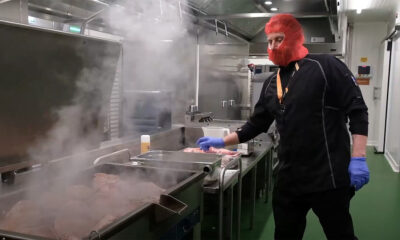
Vélmenni sjá um matarbakka í nýju hátæknieldhúsi Icelandair
-
 Markaðurinn3 dagar síðan
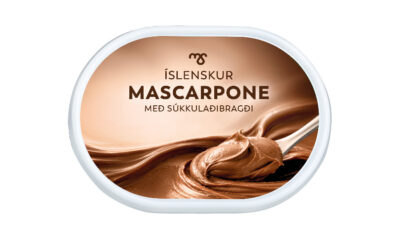
Íslenskur mascarpone fær súkkulaðibragð
-
 Markaðurinn2 dagar síðan
FoodCycler FC-75 – Snjöll úrgangslausn fyrir fyrirtæki og vinnustaði
-
 Viðtöl, örfréttir & frumraun4 dagar síðan
Hermann Svali krýndur Kjötmeistari Íslands 2026 – „Ég ætlaði mér alltaf að verða kokkur“
-

 Keppni4 dagar síðan
Leó og Pétur keppa fyrir Íslands hönd í Macau
-
 Keppni1 dagur síðan
Framúrskarandi fagfólk dæmir bestu eftirrétti og konfektmola ársins